Photo gallery
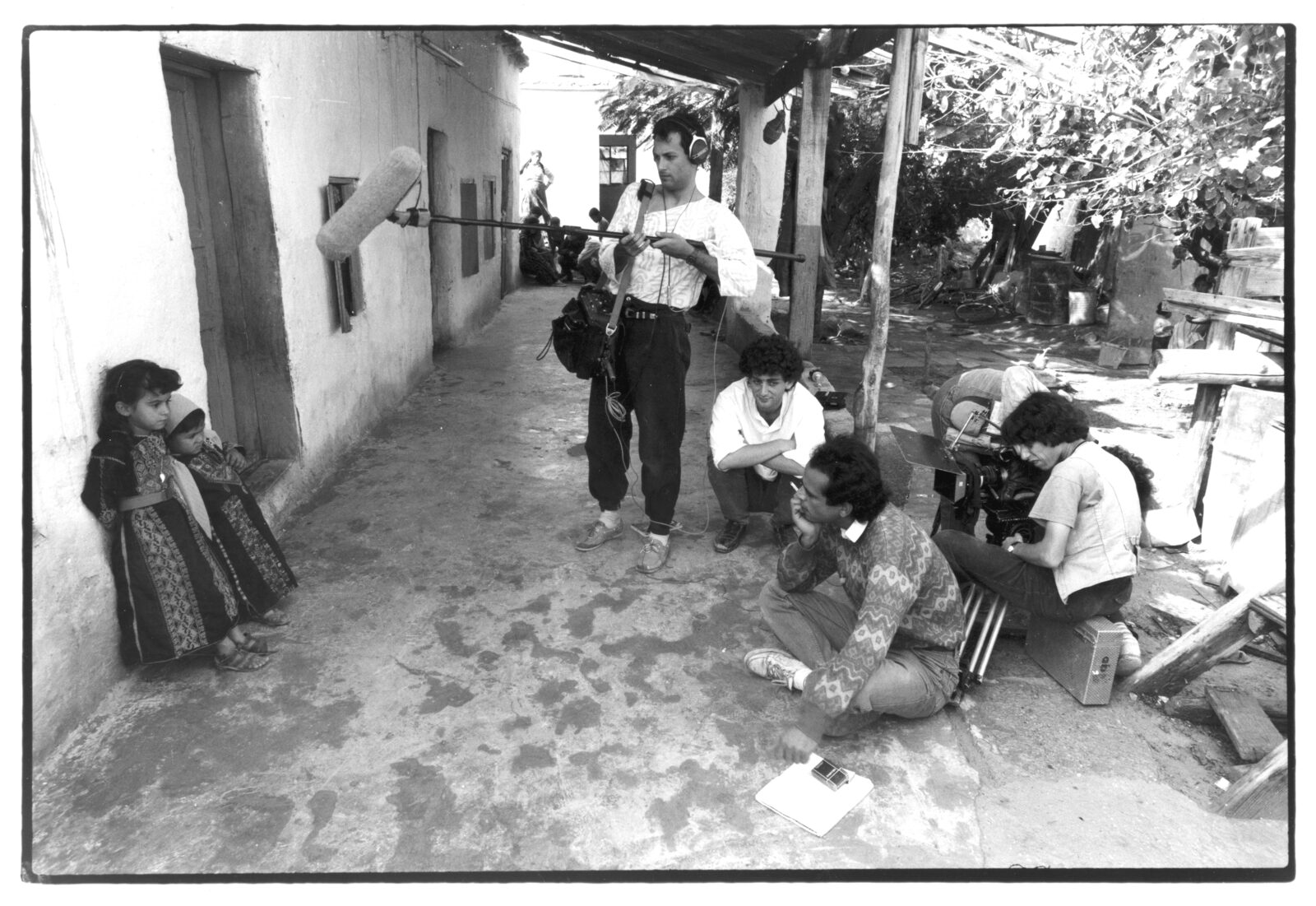
Credits
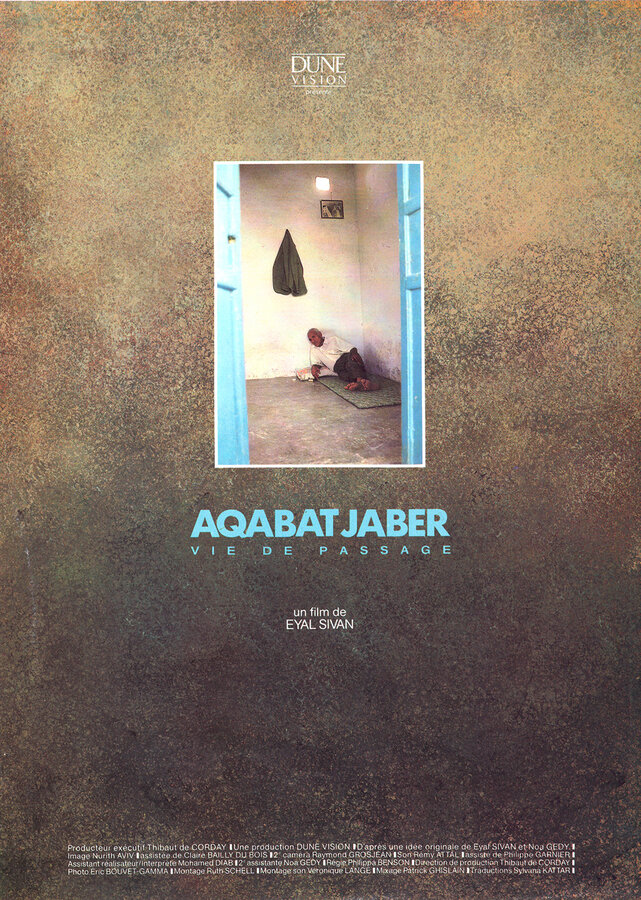
A film by: Eyal Sivan
Production: Dune Vision
Executive producer: Thibaut de Corday
Based on an original idea by: Eyal Sivan and Noa Gedy
Camera: Nurith Aviv, assisted by Claire Bailly du Bois
2nd camera: Raymond Grosjean
Sound: Rémy Attal, assisted by Philippe Garnier
Assistant director / interpreter: Mohamed Diab
2nd assistant director: Noa Gedy
Production manager: Philippa Benson
Production director: Thibaut de Corday
Photography: Eric Bouvet / Gamma
Editing: Ruth Schell
Sound editing: Véronique Lange
Mixing: Patrick Ghislain
Translations: Sylvana Kattar
Awards and selections
Awards
• Grand Prix "Cinéma du Réel," Paris, 1987
• Golden Crown, Festikon, Amsterdam, 1988
• Air France & Radio France Award, Festival du Film de Belfort, 1988
• Best Socio-Political Documentary, International Film Festival, Oakland, 1987
• Special Jury Mention, Internationale Filmwoche, Mannheim, 1988
Press (excerpts)
“This film goes beyond politics. It is about peasants confined for thirty-eight years in refugee camps, about the humiliation of being severed from their land, their orchards, their village. Nothing happens in this film, because absolutely nothing happens in their lives. An endless wait in which some still hope to return to their land. It is not a silent film — it cries out in its simplicity, it wrenches the heart. Are they human beings? So what?!” — Henri Cartier-Bresson
“Some refugees seize the chance to introduce themselves, air their grievances and lament their fate; others spurn the filmmakers. Sivan, ever sympathetic to their condition, lays out the detailed stories of these displaced people's lives by panning across the camp's daily life.” — Variety
“Aqabat-Jaber offers a poetic vision of homelessness as a permanent state of mind. A poignant intensity mingles with the absurd, turning a life of makeshift expedients into a kind of grotesque purgatory, a sad country of dreams.” — The Boston Phoenix
“Aqabat-Jaber is a total success. It is a sad and unsettling look at a decrepit West Bank refugee camp where Palestinians, mostly dispossessed peasants living in exile, speak of their lives and their hope of one day returning to their land. For them, some of whom have been there since 1948, the land is the symbol of a lost culture and self-respect.” — Boston Herald
“Eyal Sivan's Aqabat-Jaber, winner at Cinéma du Réel 1987, remains a powerful testimony on the uprooted of every origin.” — Libération
“There is, in Eyal Sivan's film, the acute awareness of the camera's gaze in everyone that is filmed.” — Cahiers du Cinéma
“A film beyond politics, so dignified and proud are the humiliated people within it.” — Positif
“Beyond its humanly and historically powerful subject, and its highly aesthetic visual texture (dense, stripped-down images, ethereal pans, loving shots), the film's real value lies in its very particular way of bringing out what emerges between the most varied discourses and behaviours: the consciousness of a people (…) Eyal Sivan's great achievement is to have preserved and projected this irreducible identity, whatever form it takes to express itself.” — Sonovision
“Beautiful, powerful images, moving and stripped bare, sometimes as violent as these people's destitution. Aqabat-Jaber offers no solution; it bears powerful witness for all the forgotten of the camps, wherever they may be.” — Faim-Développement