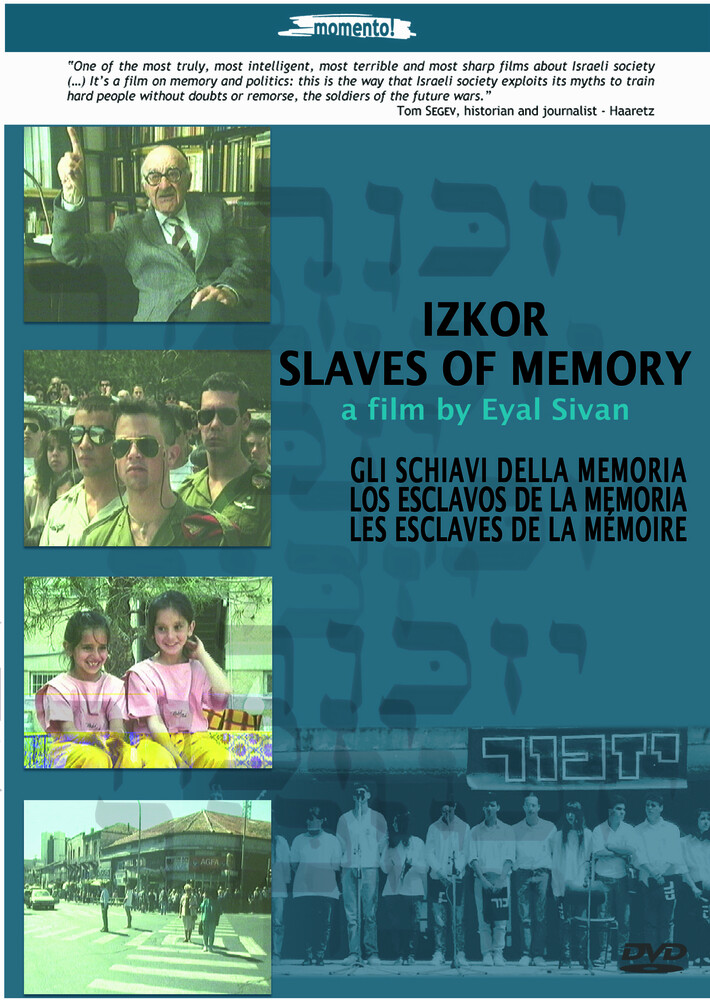
Photo gallery
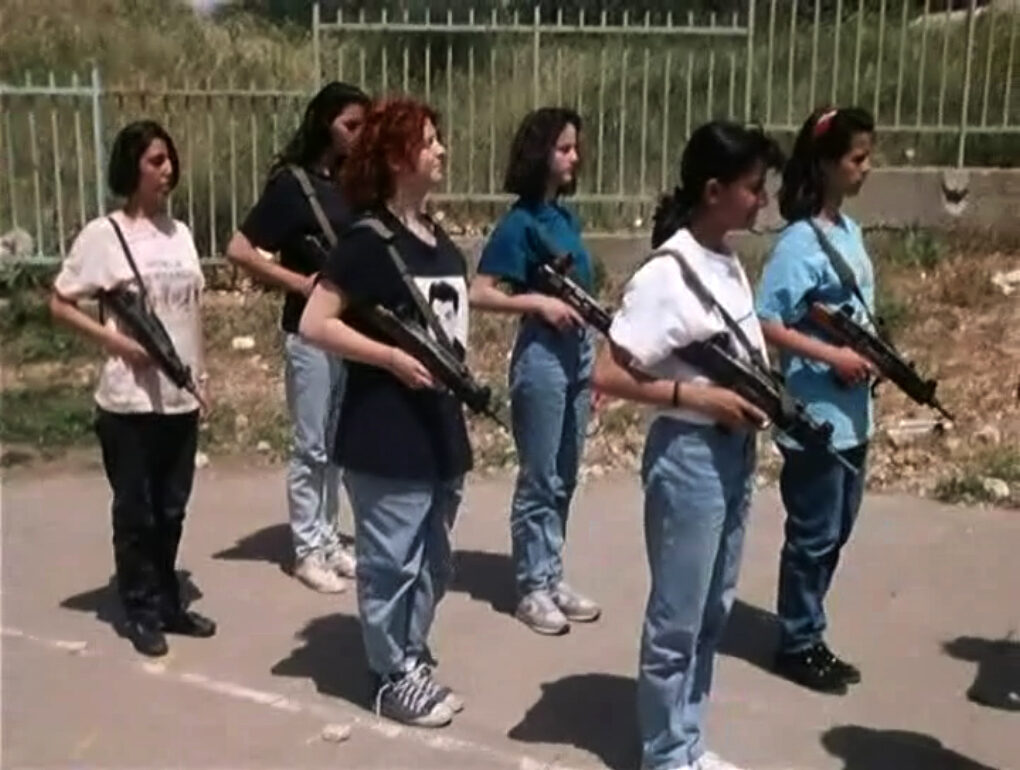
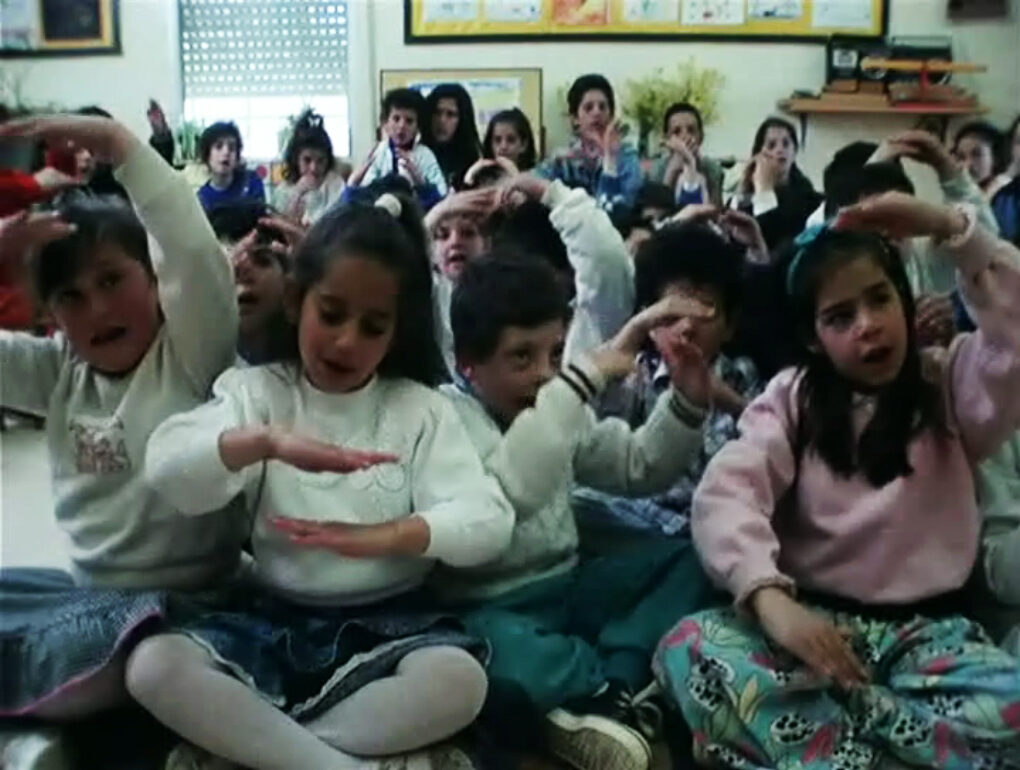
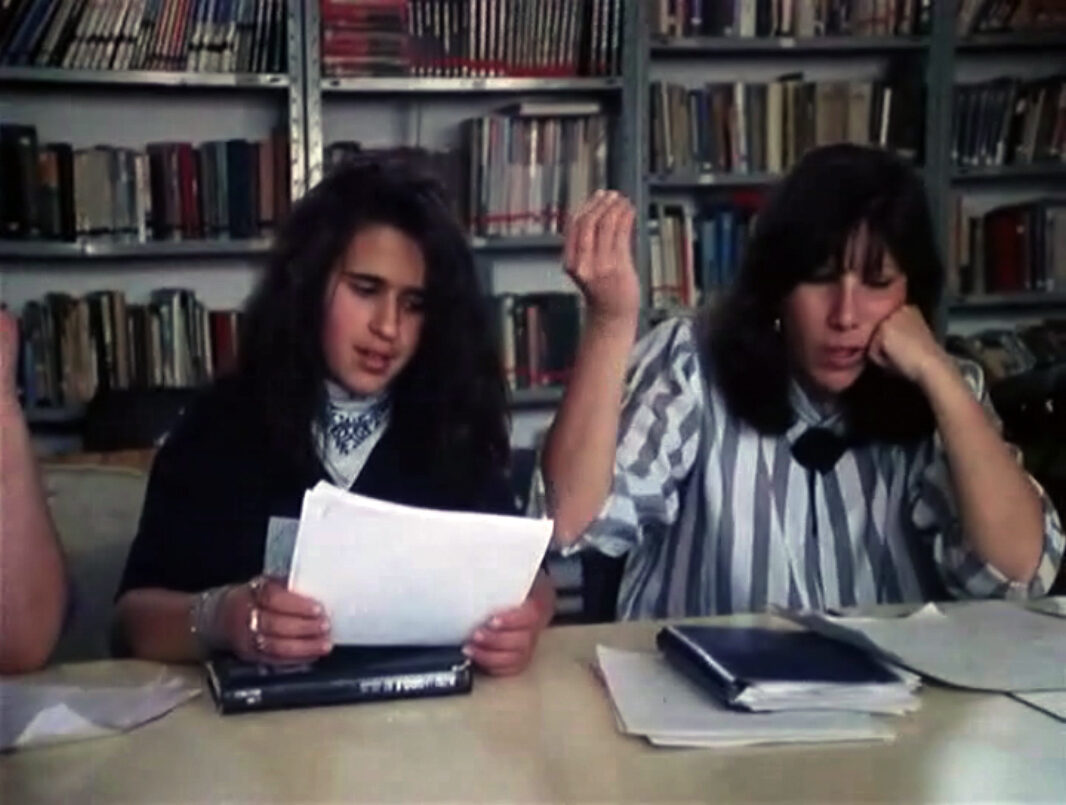
Credits
Author: Eyal Sivan
Director of Photography: Rony Katzenelson
Sound Engineer: Rémy Attal
Editors: Jacques Cometz & Sylvie Pontoizeau
Executive Producers: Ruben Korenfeld & Edgard Tenembaum
Associate Producers: Georges Benayoun and Paul Rozenberg
Awards and selections
Awards
• Procirep Prize, Jury's Special Mention, FIPA, 1991
• Research Prize, European Documentary Biennale, Marseille, 1991
• Golden Lens, Tel-Aviv, 1991
Press (excerpts)
“An in-depth, anxious, unsettling reflection on the roots of Israeli nationalism (…) This film, going against the current, courageous, took on a particularly acute and painful resonance in a context of growing threat.” — Le Monde
“A terrible and courageous documentary, abominable and salutary (…) This painful, great, very great documentary ('an aggravating circumstance,' some will scold), which was awarded a prize at the recent Festival International de Programmes Audiovisuels (FIPA), leaves you alone and devastated, your conscience racing.” — Télérama
“Izkor, Eyal Sivan's excellent documentary, shows us how April is a strategic month for instilling Israel's founding ideology, Zionism, in the younger generations.” — Libération
“Does being Jewish today mean only having endured all this — does it mean defining oneself by the past? That is the question this courageous film asks.” — France-Soir
“Eyal Sivan's terrible documentary IZKOR (…) compels free minds to a broader reflection on the same theme (…) A reflection that could be titled: 'the heritage of humanity' or 'the perversions of memory.'” — Le Monde Radio Télévision
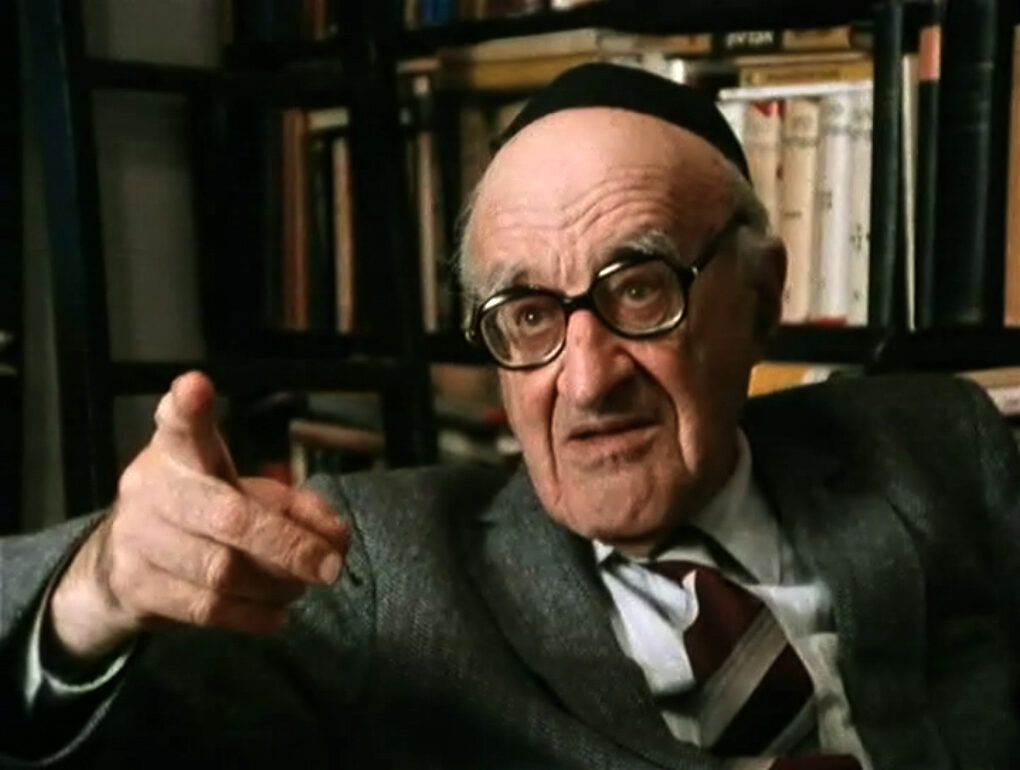
“Izkor is a hypercritical vision of the educational system of Israel, illustrated by the thoughts of Professor Leibowitz, who points out an extensive use of the memory of the past in order to justify the present.” — Jewish Press Agency
“It is easy to understand why Eyal Sivan's film has offended some. Certain memories have attained the status of sacred cows, and any less than reverential viewpoint is taboo. Yet Sivan is respectful of the memory and the events he preserves; he only questions the methods used to secure it a future. A sacred cow about which questioning is not tolerated must be considered suspect by an alert mind.” — The Jerusalem Post
“(…) This intelligent documentary draws a surprising assessment of education in Israel. Unsettling and instructive.” — Le Parisien
“This fine film by Eyal Sivan must be watched (…) It draws on a bias whose subjectivity is plain, but which can prove a fascinating — and unsettling — introduction to the construction of collective memory.” — Réforme
“Izkor: a courageous questioning in this admirable film, a must-see.” — Tribune Juive
“Indiscretion: paradoxically, that is what makes this documentary compelling. A must-see for a better understanding of Israelis.” — Actualité Juive
“Izkor, a documentary that is certainly iconoclastic and wild, rightly instills doubt by knocking down dogmas. An impressive and painful film.” — Témoignage chrétien
“These two hours won't leave anyone unharmed.” — L'Express
“Eyal Sivan (…) has not mistaken his target. The question posed by IZKOR, a film that will leave no one indifferent, is indeed this: what function does the organized myth structured around the cult-theme of memory occupy in the functioning and reproduction of the social bond in Israel? Therein lies the film's intelligence. (…) A formidable collision (…) Eyal Sivan's film 'dis-orders' in the sense that it challenges a classification order (…) A film of courage. The courage of the intellectual for whom the right to truth and to freedom of view is sacred.” — Revue d'Etudes Palestiniennes
“An essential film” — Points critiques
“A terrible and courageous documentary likely to wound many consciences — the good ones as much as the bad. Télé Poche” — Formidably unsettling.
“Télé 7 jours” — A remarkable political analysis.
T.V Hebdo
About the film
Though Israel has been in the media spotlight since its creation, it remains shrouded in mystery for many observers. This very survival is a matter of conscience for some, and of malicious speculation for others. But it is precisely amid this question of survival that the identity and determination of the population have been forgotten.
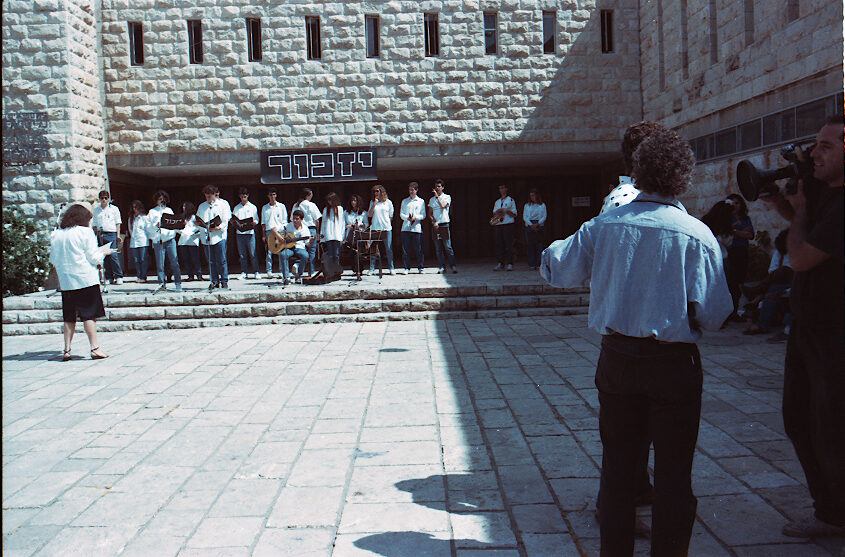
Thirty days in spring: festivals, rituals, tributes, ceremonies… During this period, the whole country seems devoted to the cult of the past.
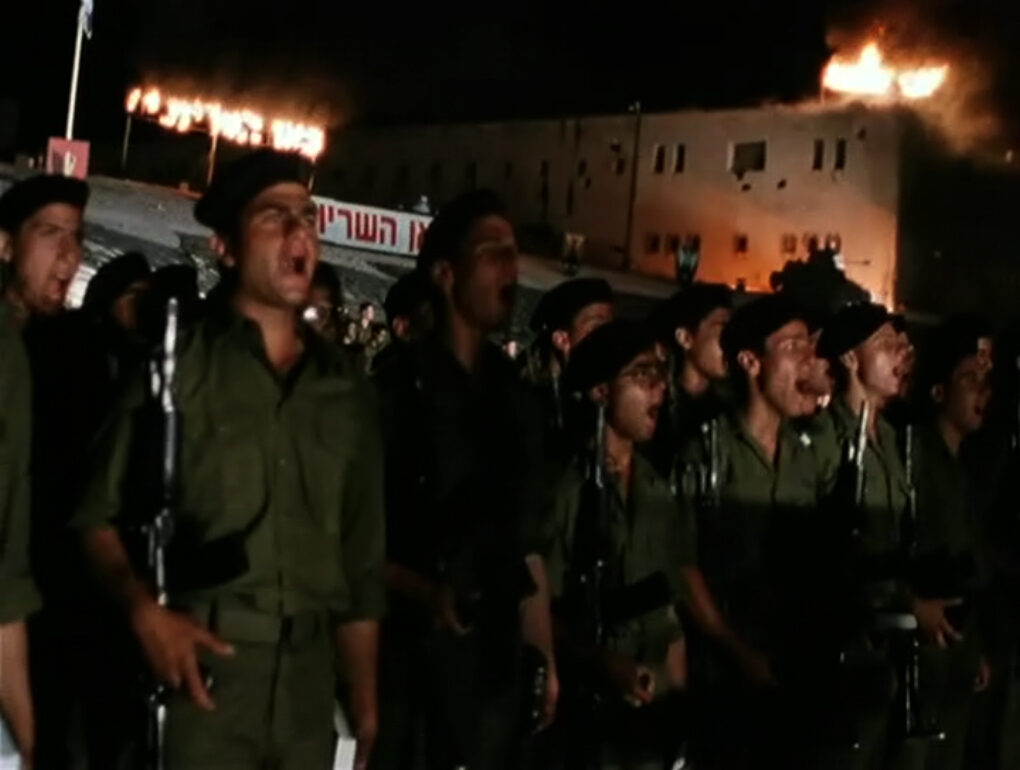
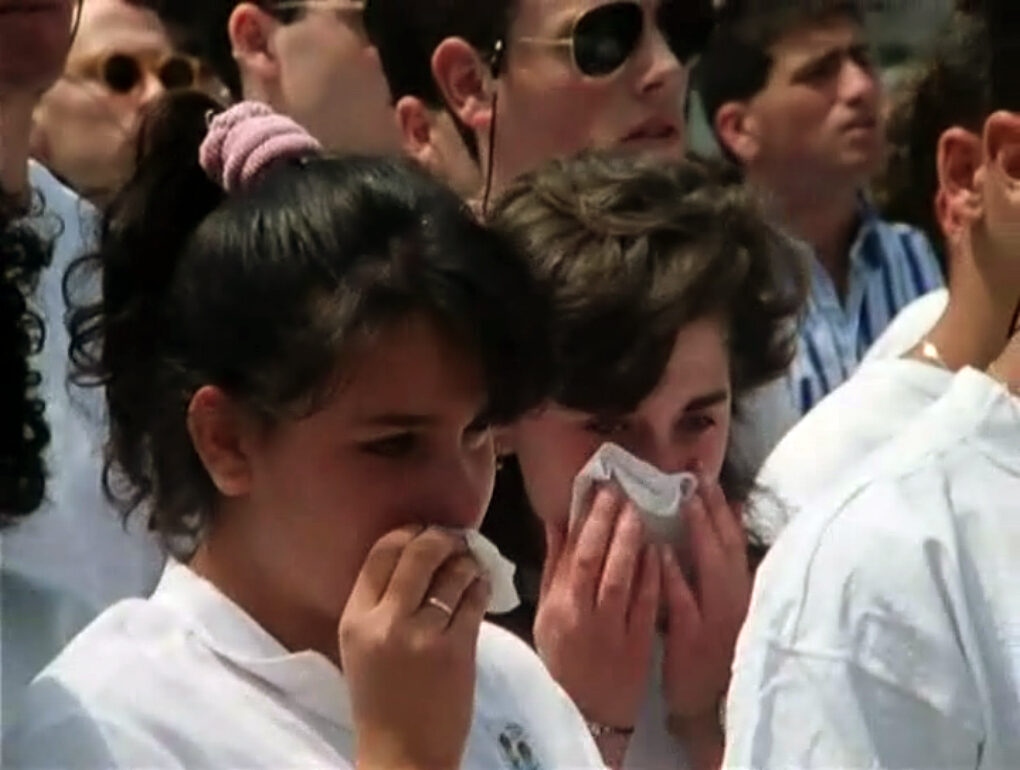
First comes Passover: the newly regained freedom of the Hebrew slaves, celebrated after their long enslavement by the Pharaohs. The celebrations then give way to mourning. Yom Ha'Shoah and Yom Ha'Zikaron: the largest cities pay tribute to the martyrs and heroes of the Shoah, and a week later to the Israeli soldiers who died for their country. Independence Day is the culmination of this intense succession of emotions, at the end of this long period of communion with memory, followed and energetically orchestrated by every official institution.
Festivals, rituals, tributes, ceremonies, speeches… Each year, a powerful system for perpetuating memory rolls over Israeli society like a steamroller.
Coming from every corner of the world, Israelis are today united by an "official" collective memory that goes beyond the various feelings it represents. This "collective memory" has, in Israel, led to a national constitution, a territorial destiny, capable of winning unanimous support.
How did this collective memory develop? What symbols give it its strength, and to what end is it used? The film offers visual, human and concrete answers to these questions. From kindergarten to the army, we follow Israelis from childhood to adulthood, to better understand how every citizen is steeped in this "official memory." We discover how history, transformed into memory, creates an atmosphere and shapes the behaviour and ways of life of Israelis.
Can a people continue to take part in the march of the world while endlessly repeating: "Our future is behind us"?